Shilpa Vigrah
The Temple Decoder
Discover the Stories Hidden in Temple Stones
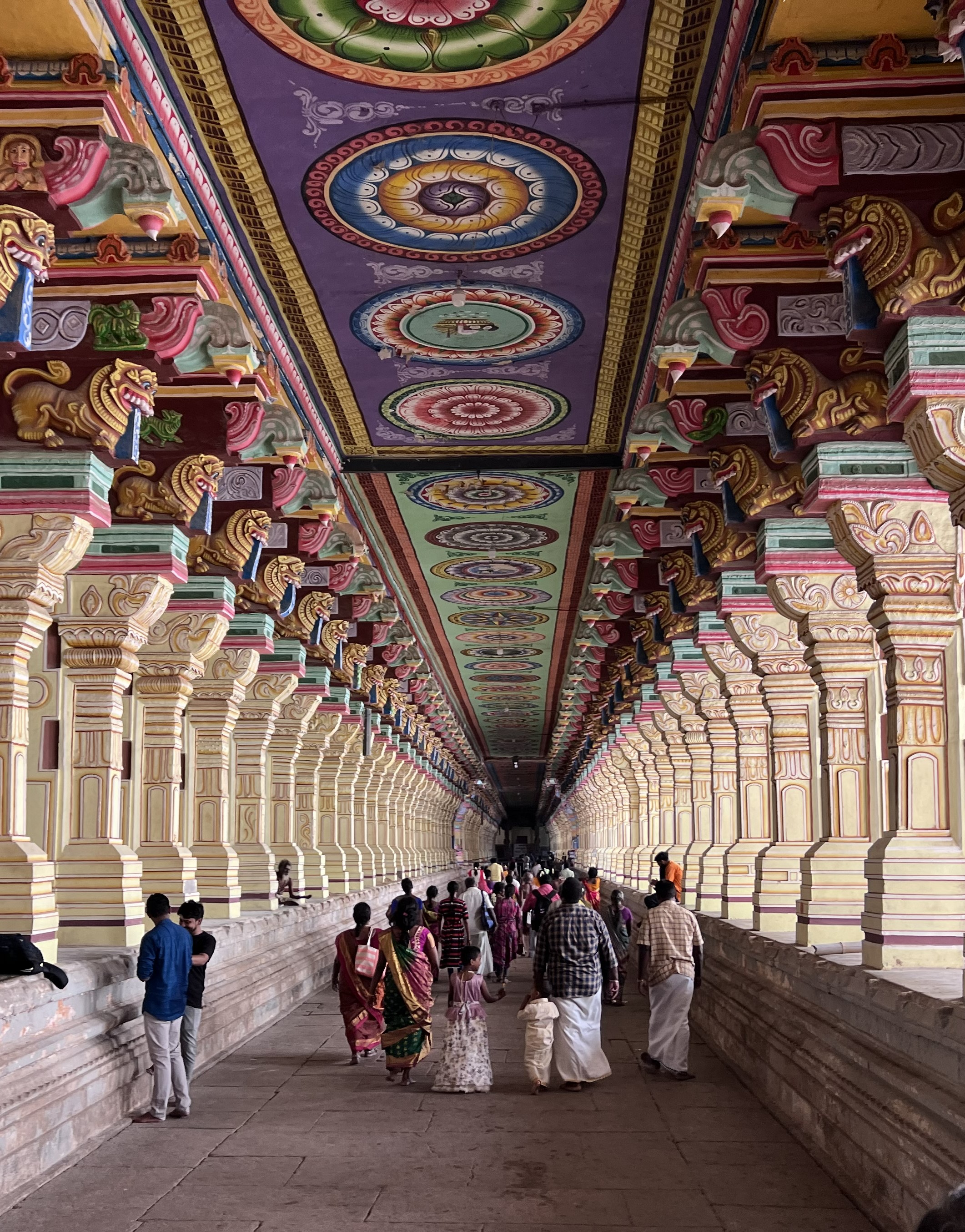
Explore hundreds of temple sculptures, architectural marvels, rare iconography, and heritage sites across India and Southeast Asia through photographs, research, and storytelling.
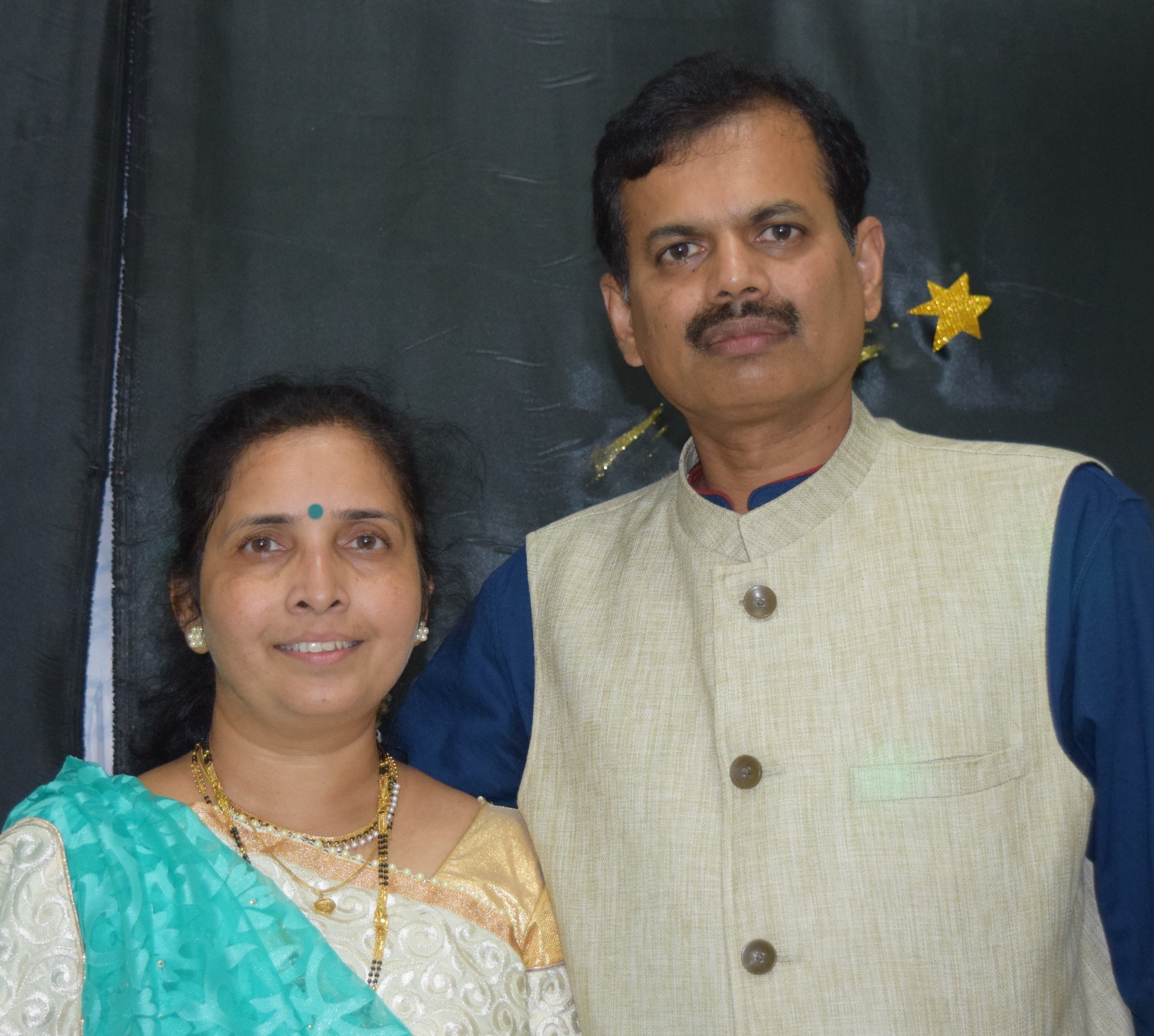
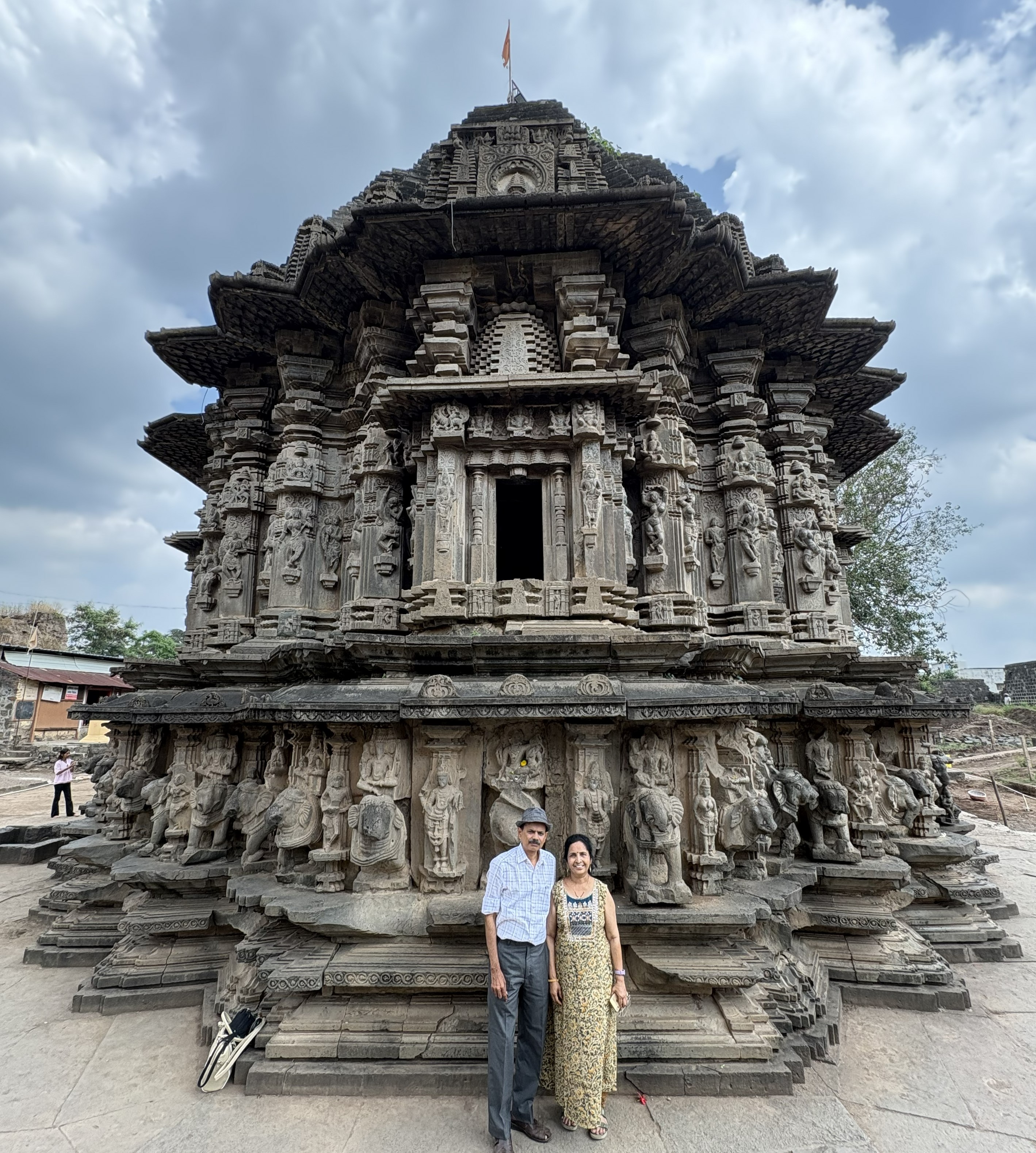
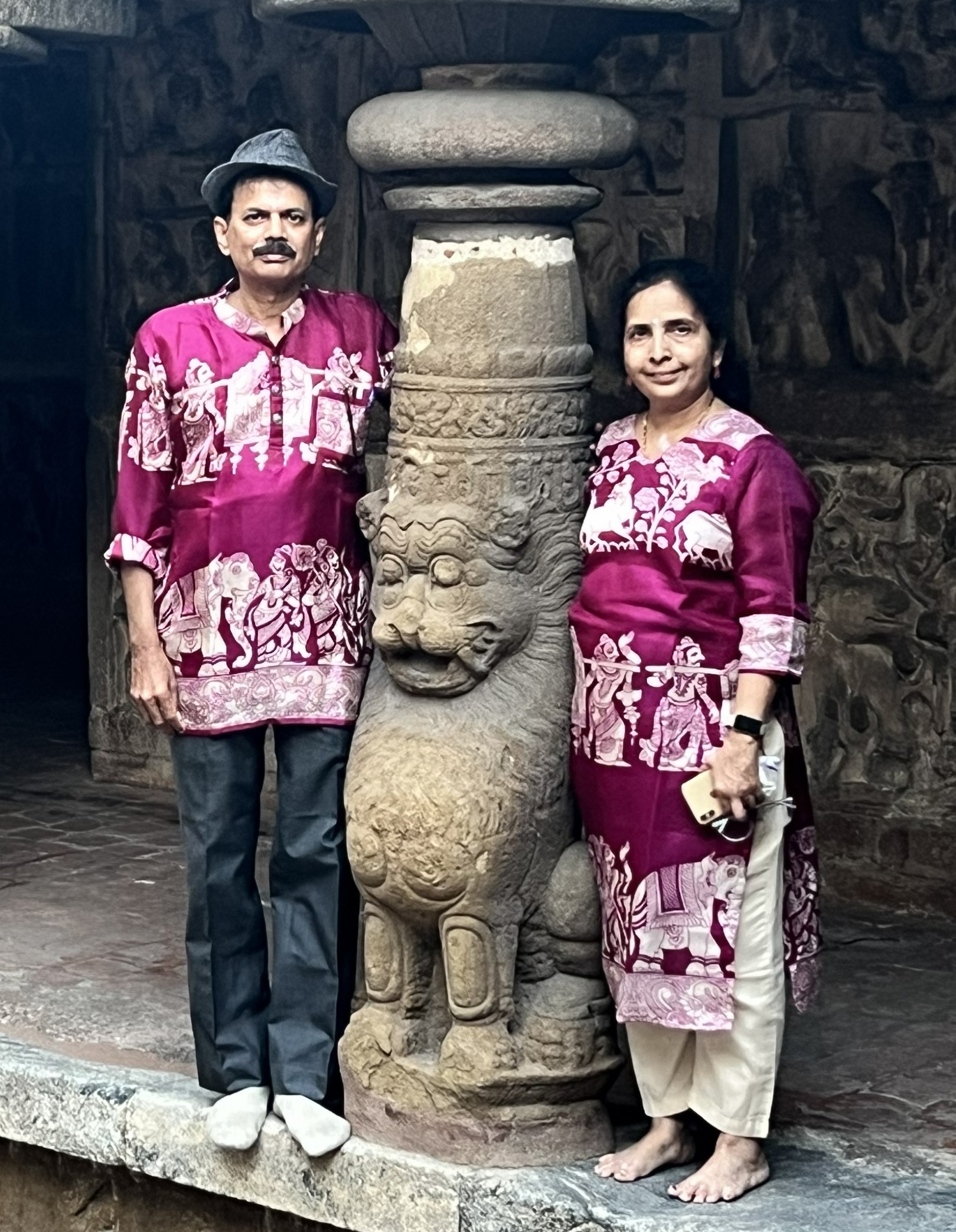
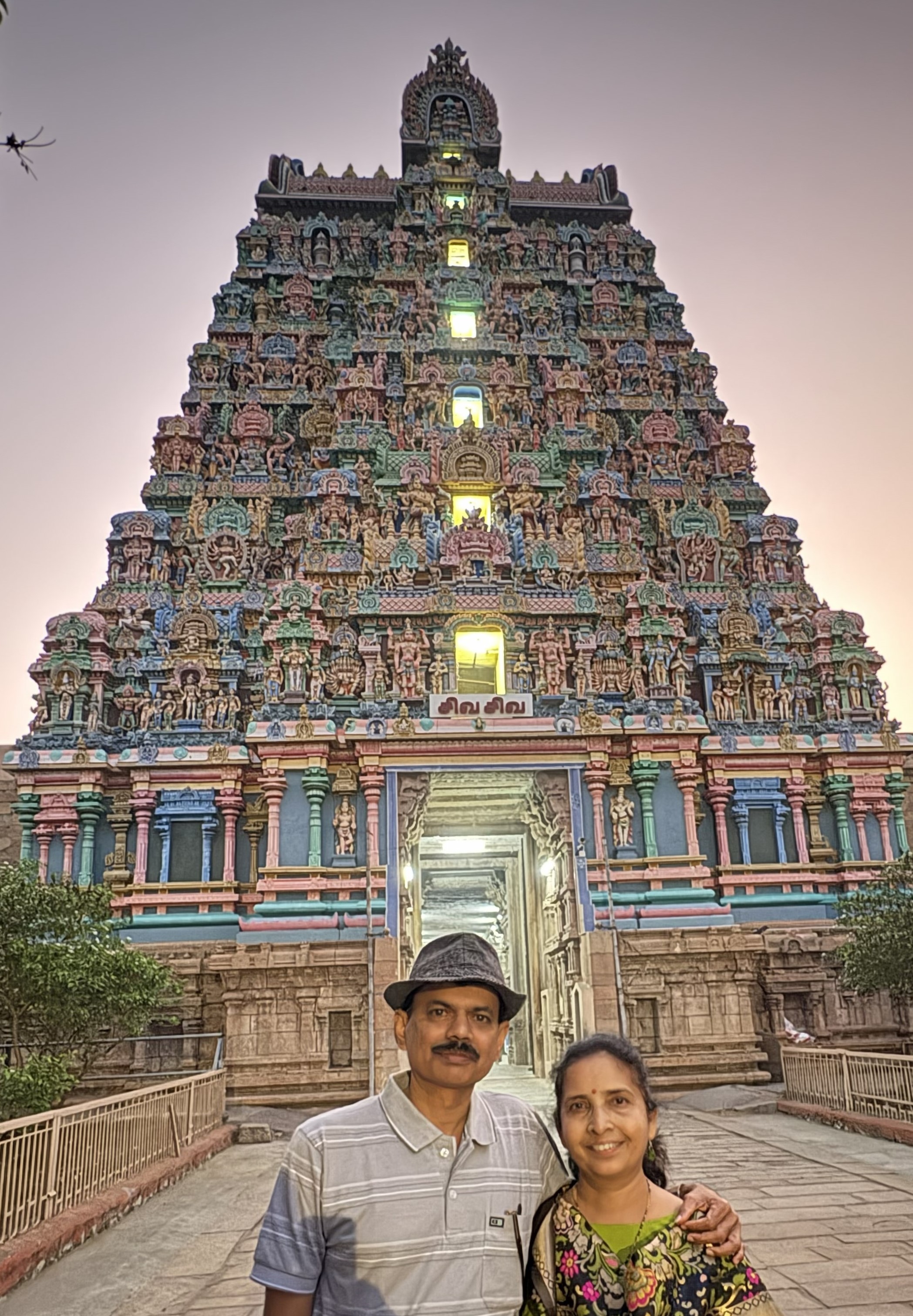
Shilpa Vigrah is the initiative of Mahesh Naik and Manisha Naik, both of whom come from different technology backgrounds but are M.A. (Hindu Studies) graduates and holders of a postgraduate diploma in Indian History, Art and Architecture. Having explored hundreds of temples across India and Southeast Asia, they are dedicated to documenting, interpreting, and sharing the rich heritage of Indian temple architecture and iconography through research, photography, lectures, and educational programmes.
States Covered: 12+
Countries Explored: 4+
Temples Documented: 25+
Photographs: 15,000+
Books Published:2
Decode India's Temple Heritage
Explore temple sculptures, iconography, architecture, and forgotten stories from hundreds of temples across India and Southeast Asia.
With Shilpvigrah, learn to identify, remember, and share with others.
about our murti and tradition through stories, JOIN our GURUKUL
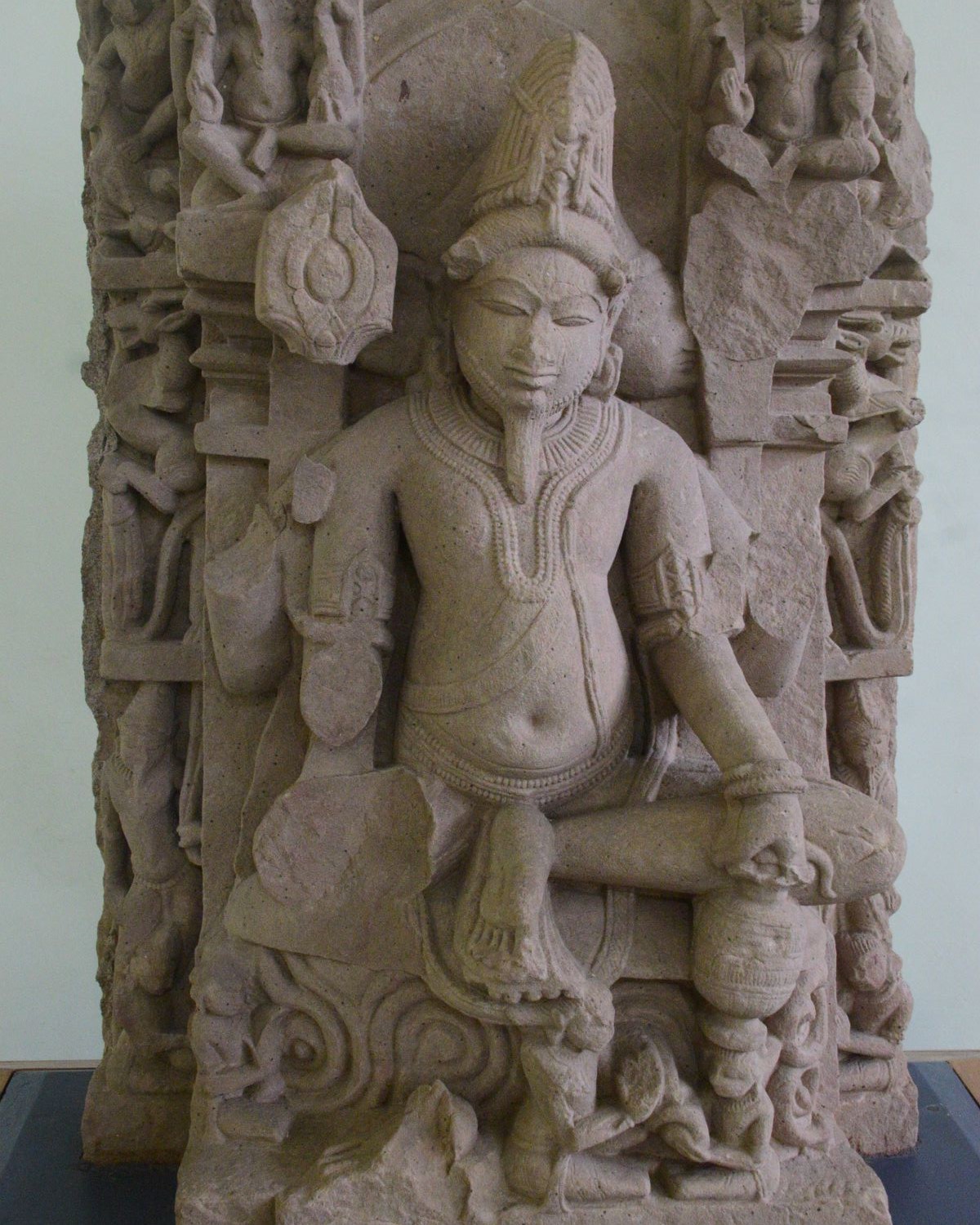
Brahma
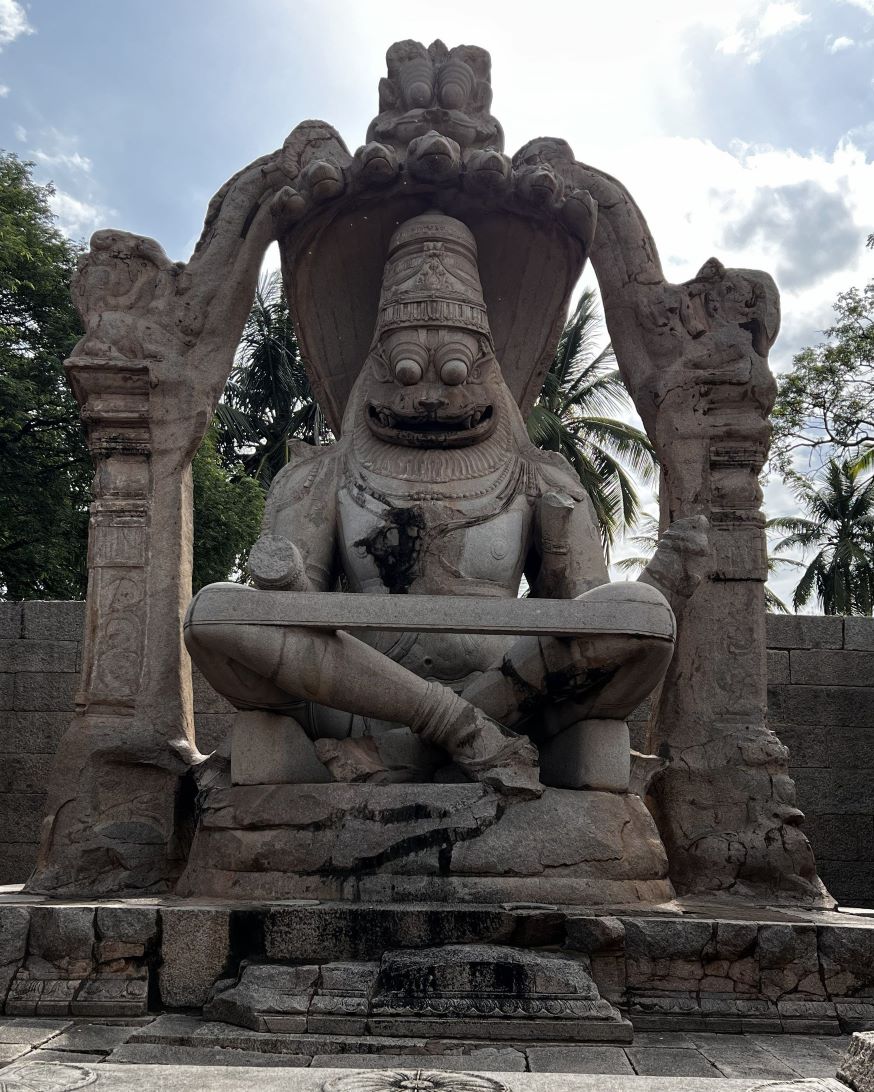
Vishnu
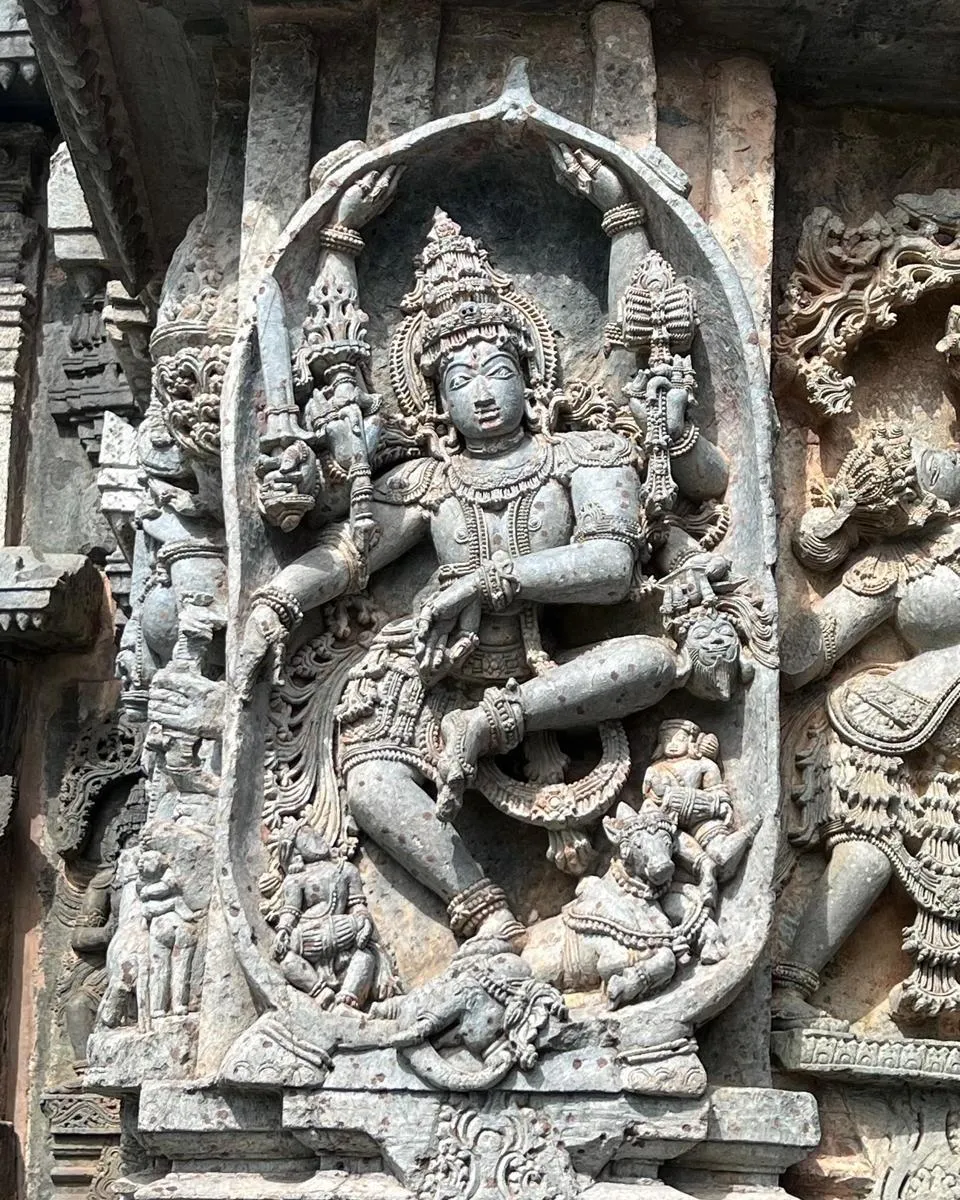
Shiva
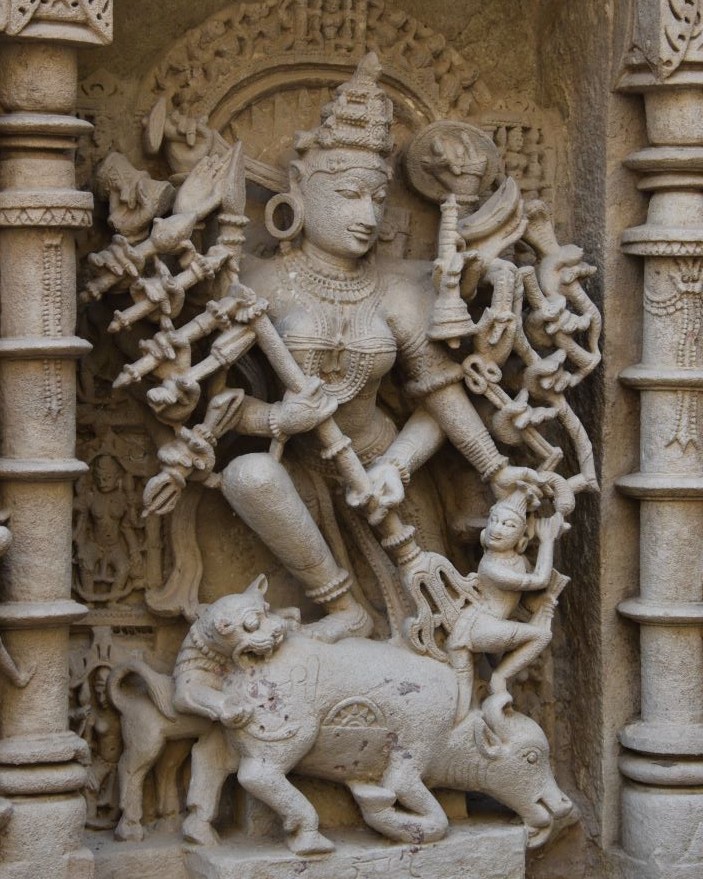
Shakti
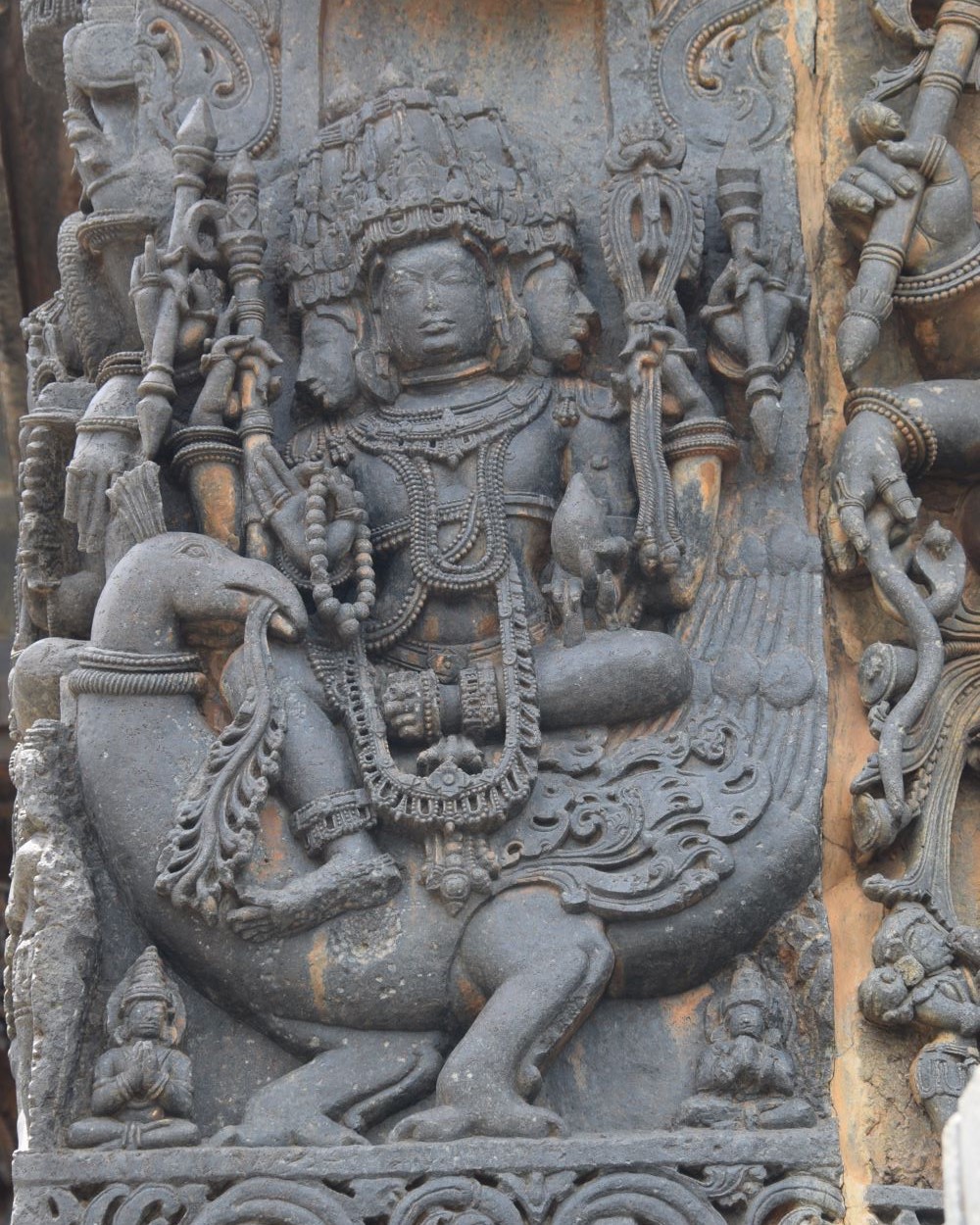
Kartikeya
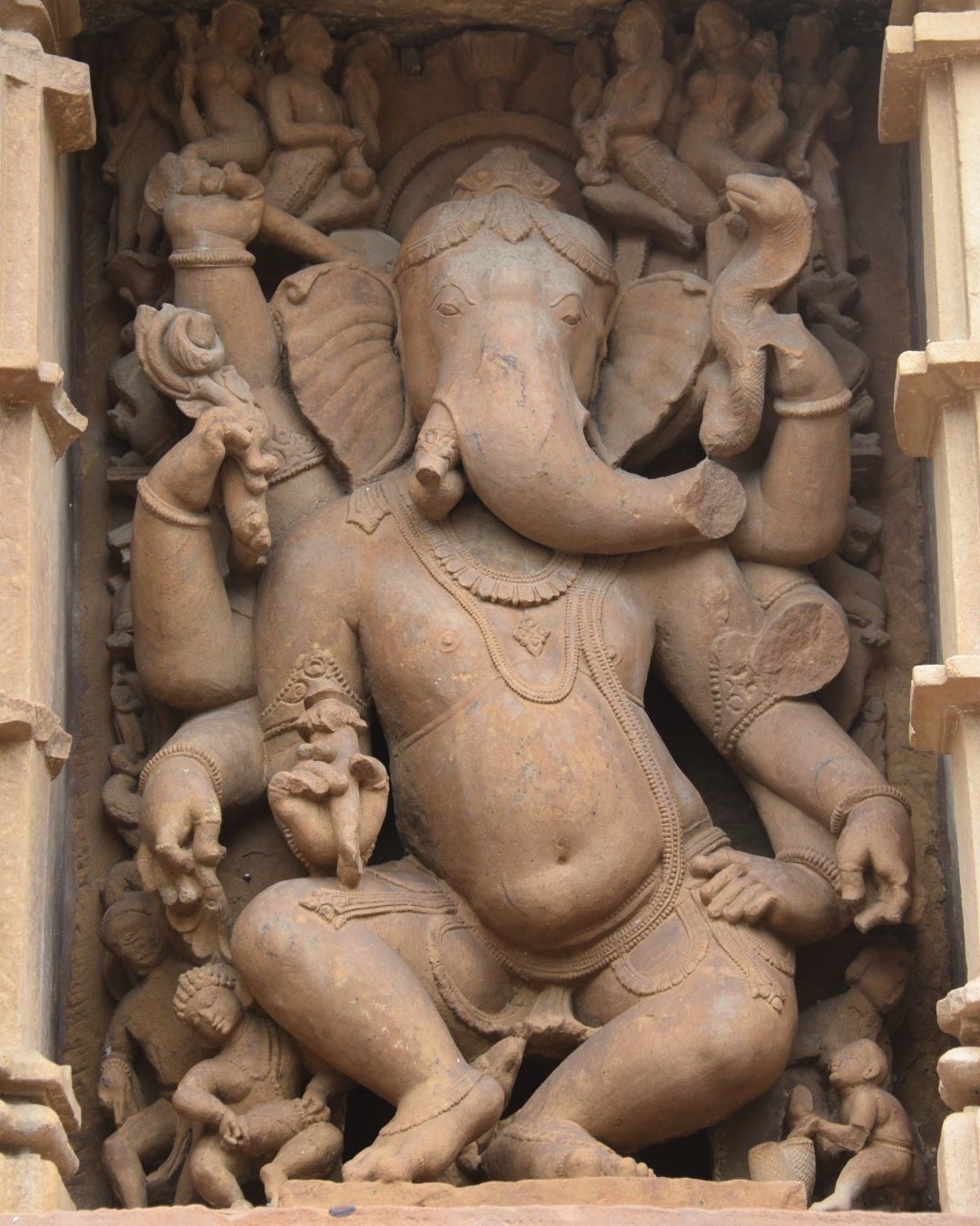
Ganesh
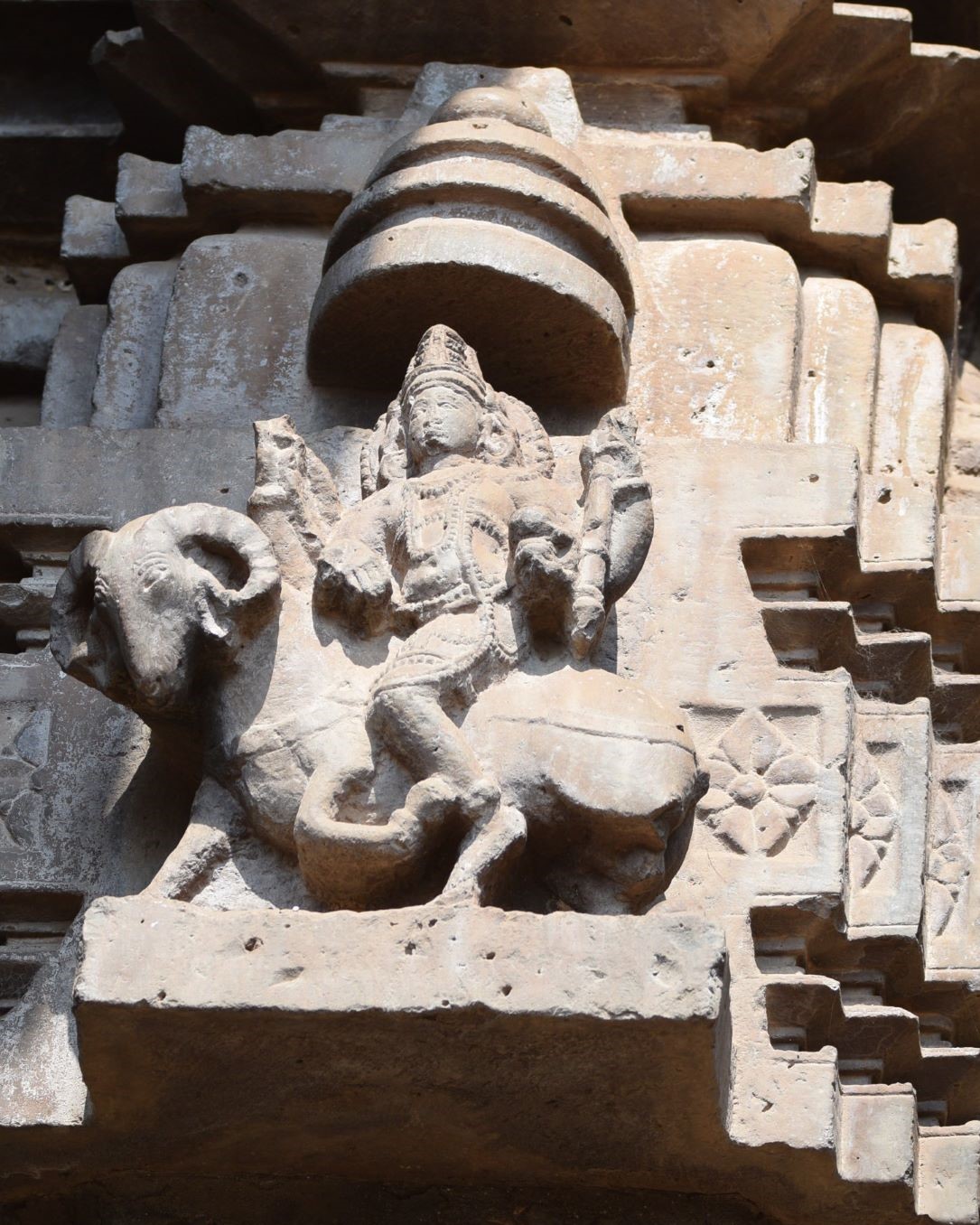
Ashtadikpal
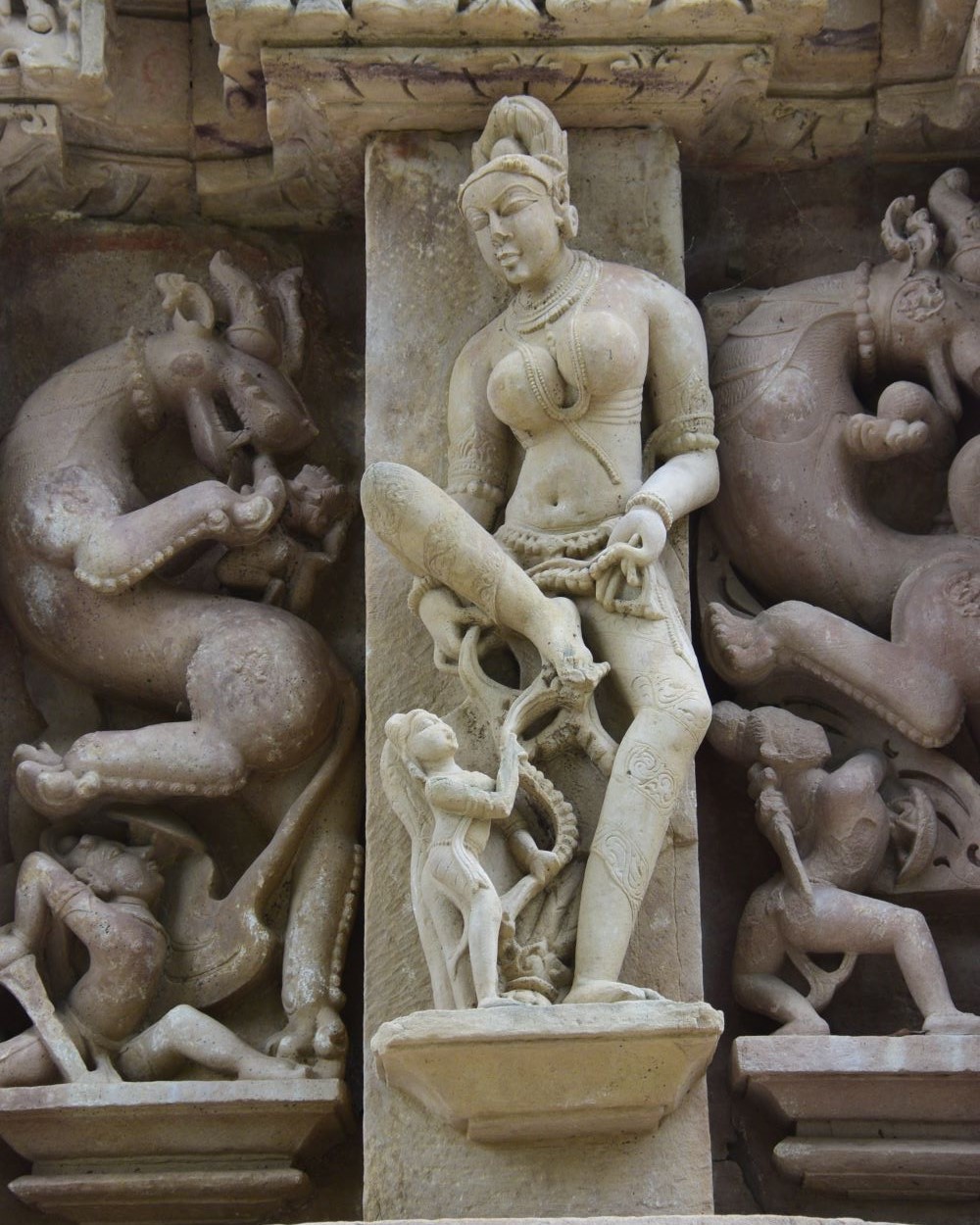
Sursundari
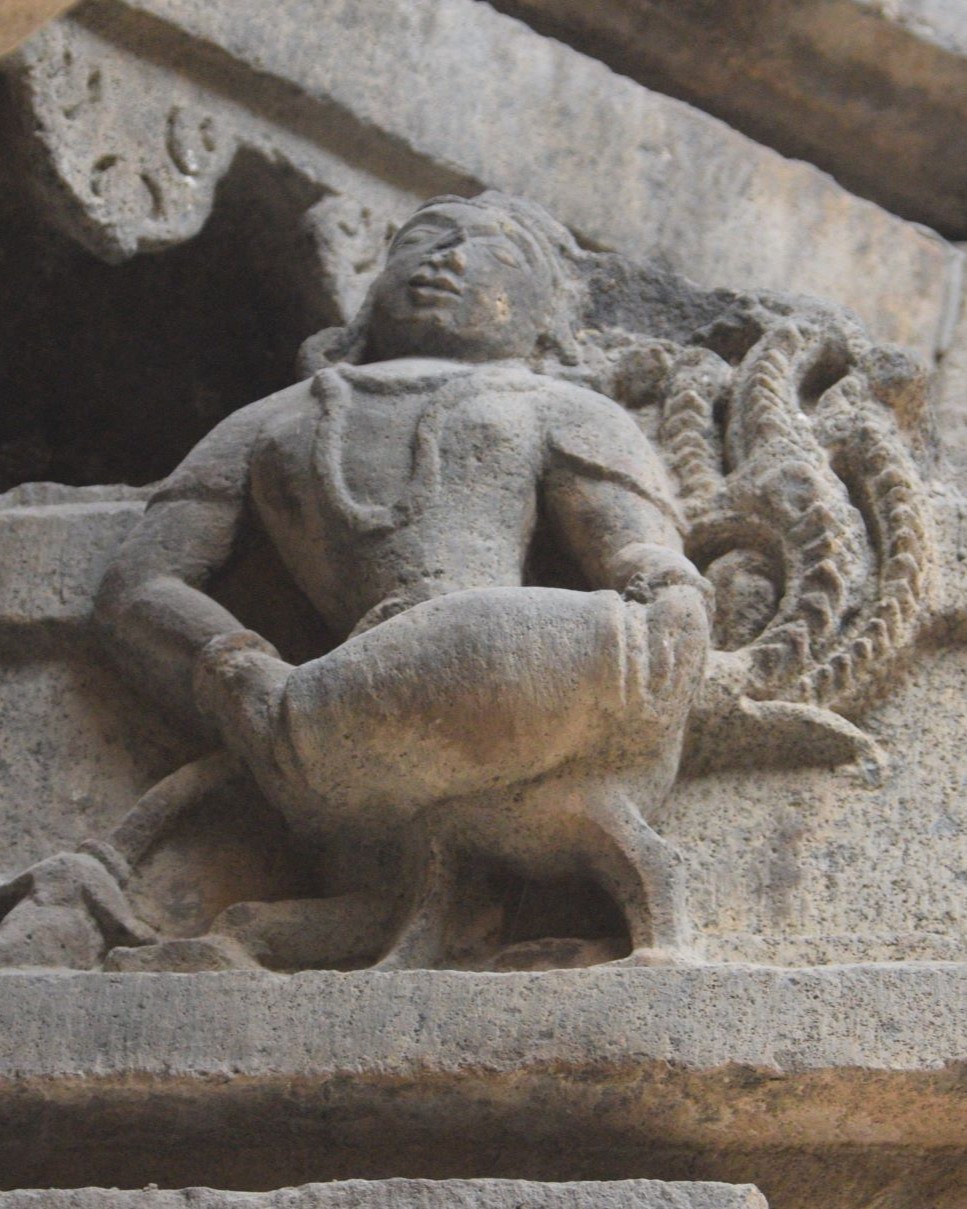
Semi-Divines
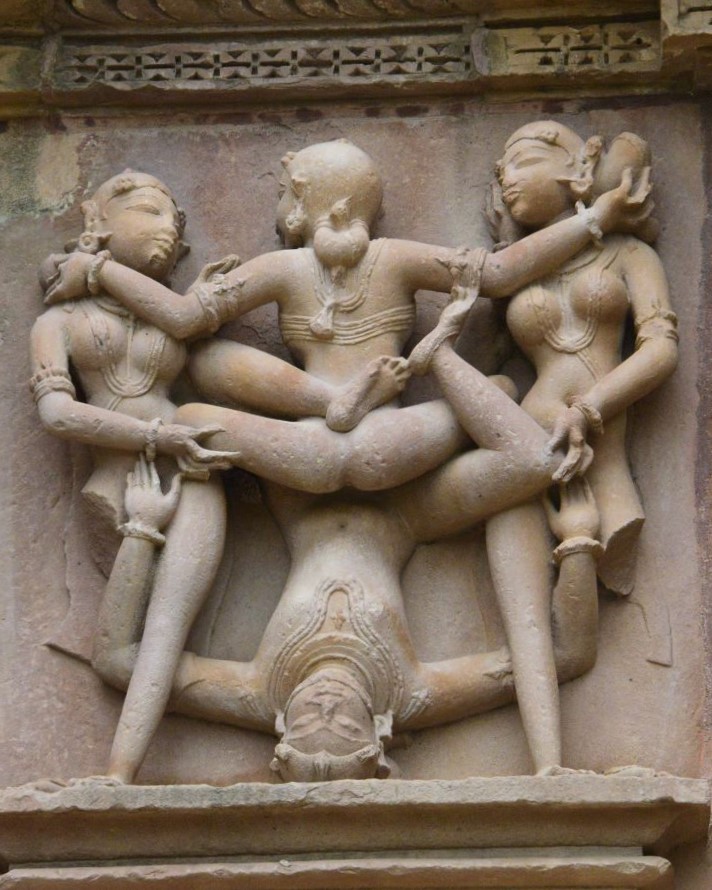
Mithun
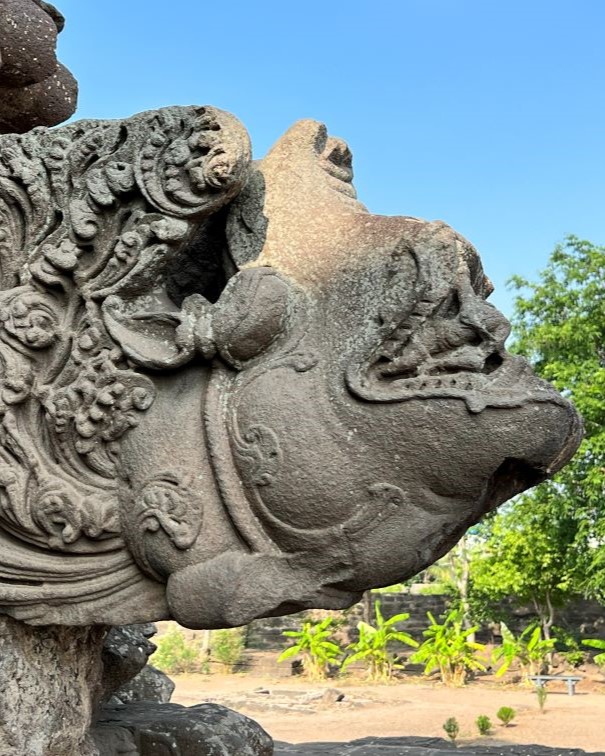
Animals
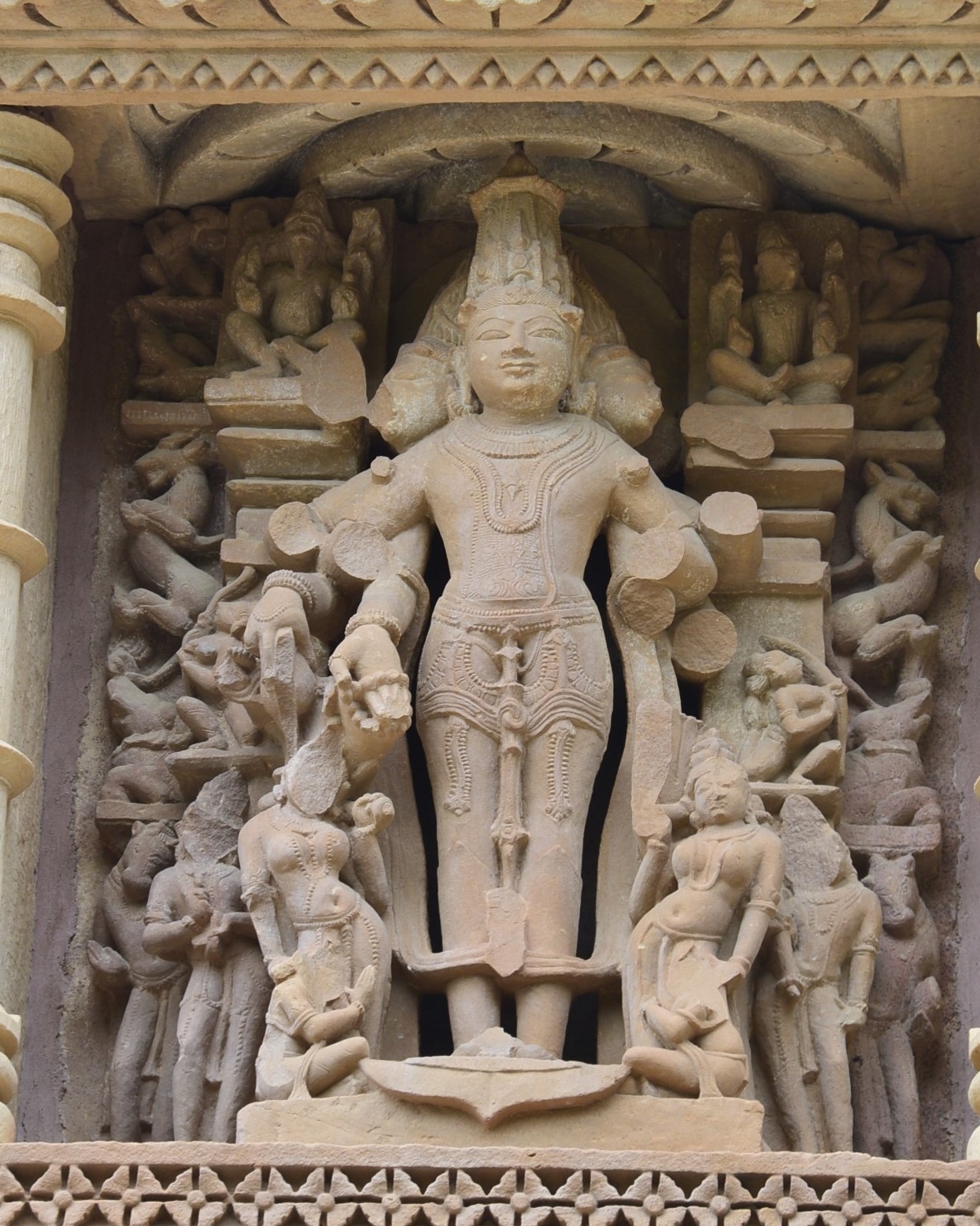
Syncretic Murti
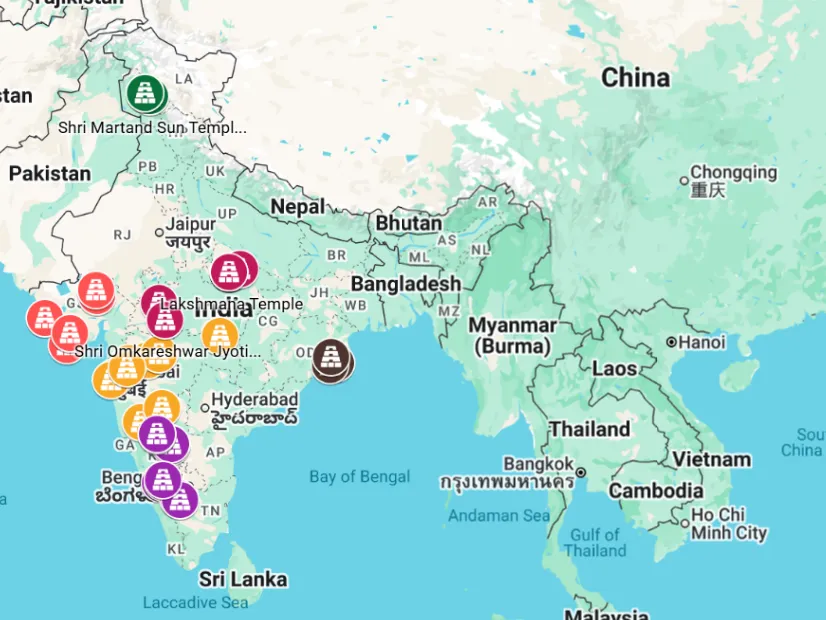
Information and photographs of temples in India, visited by us
Click to explore the temples of that state
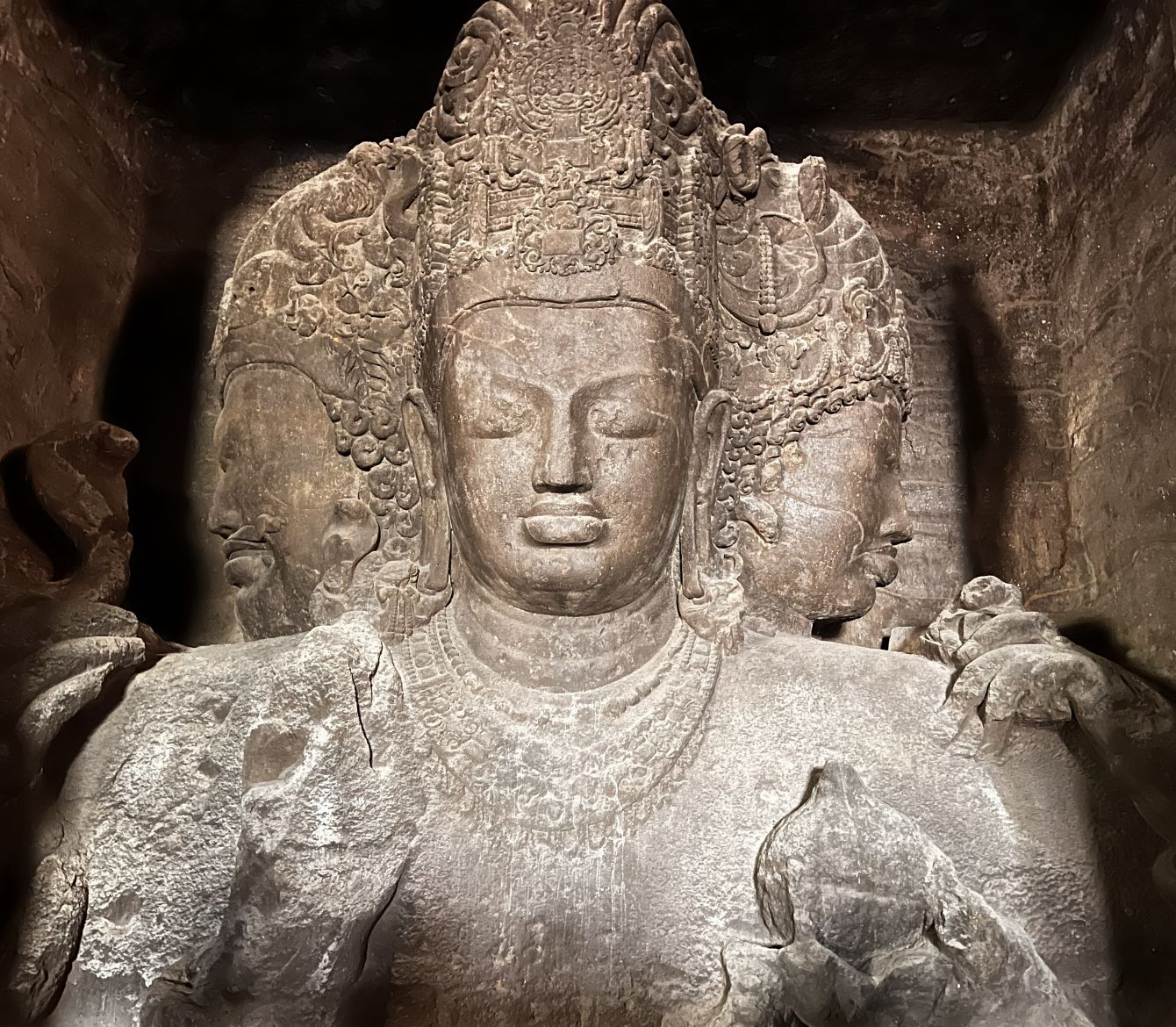
Maharashtra
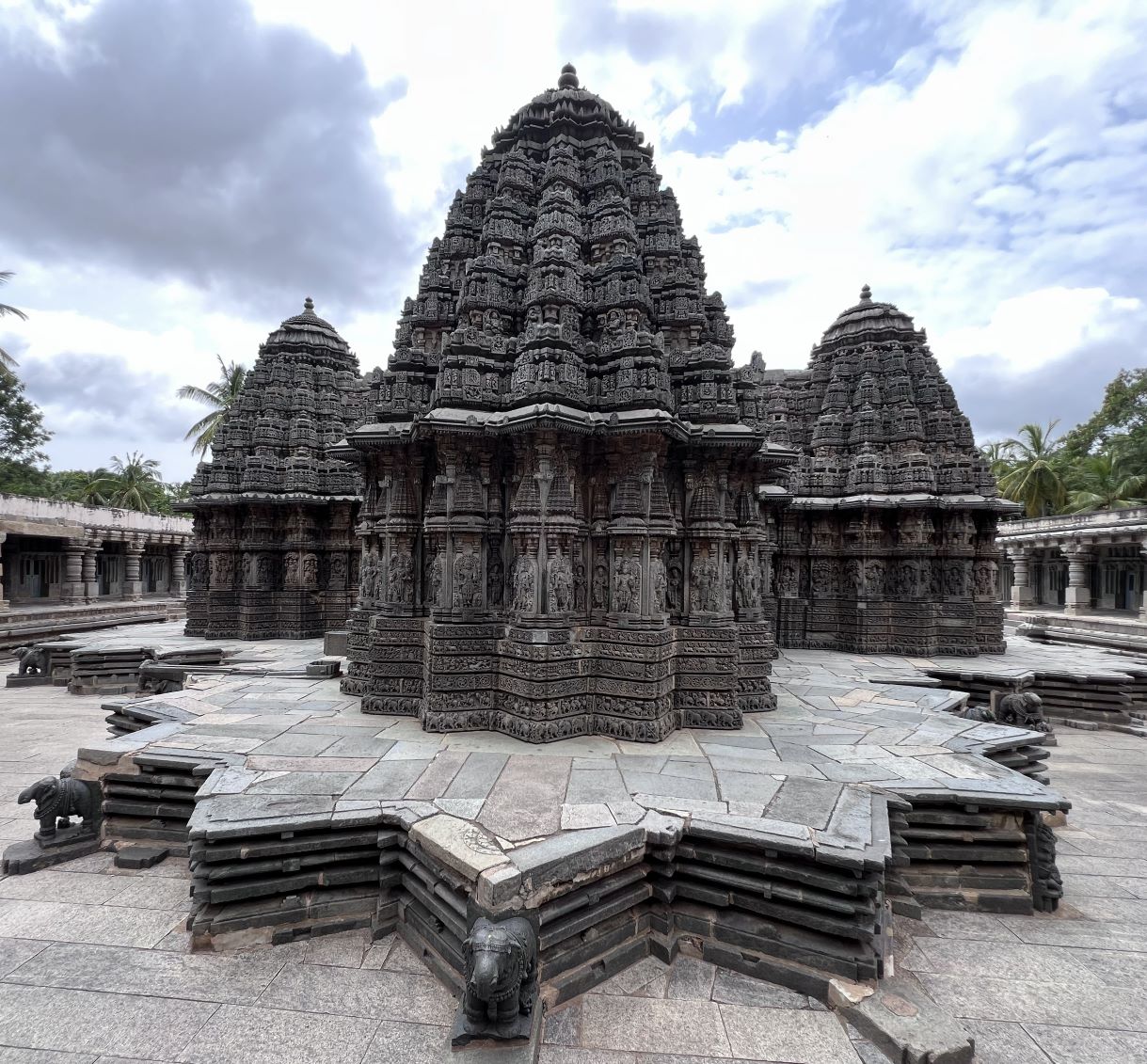
Karnataka
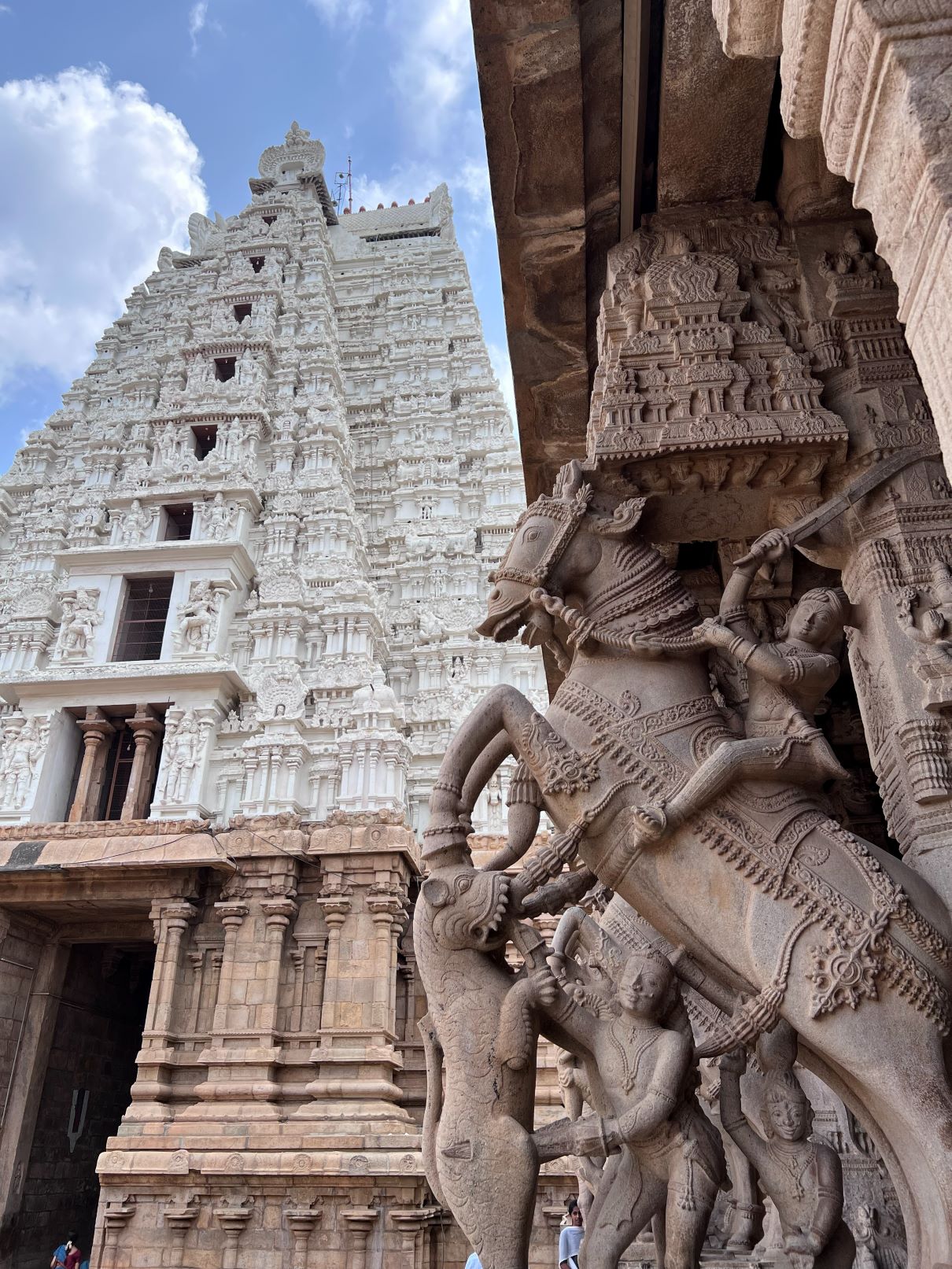
Tamilnadu
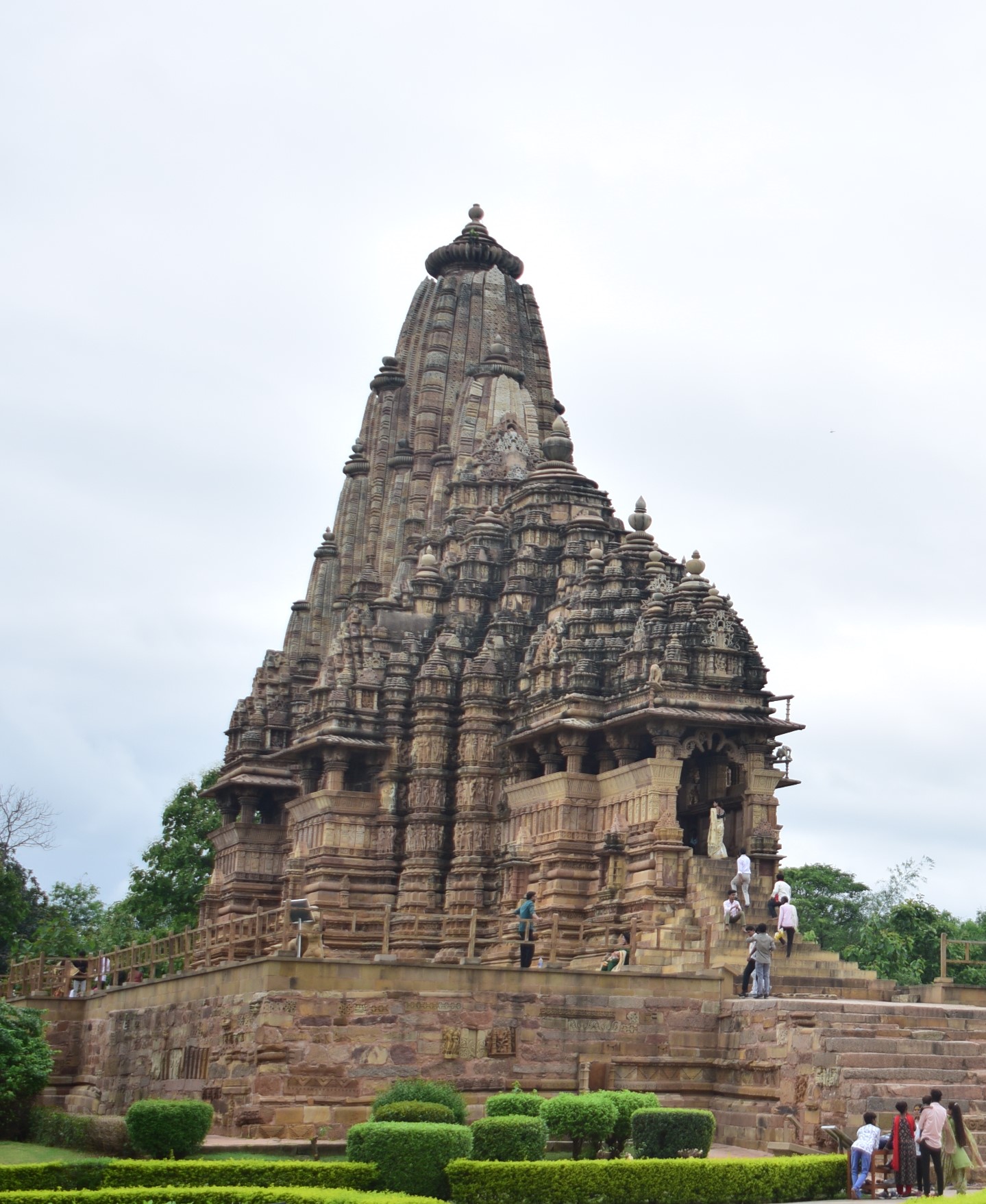
Madhya Pradesh
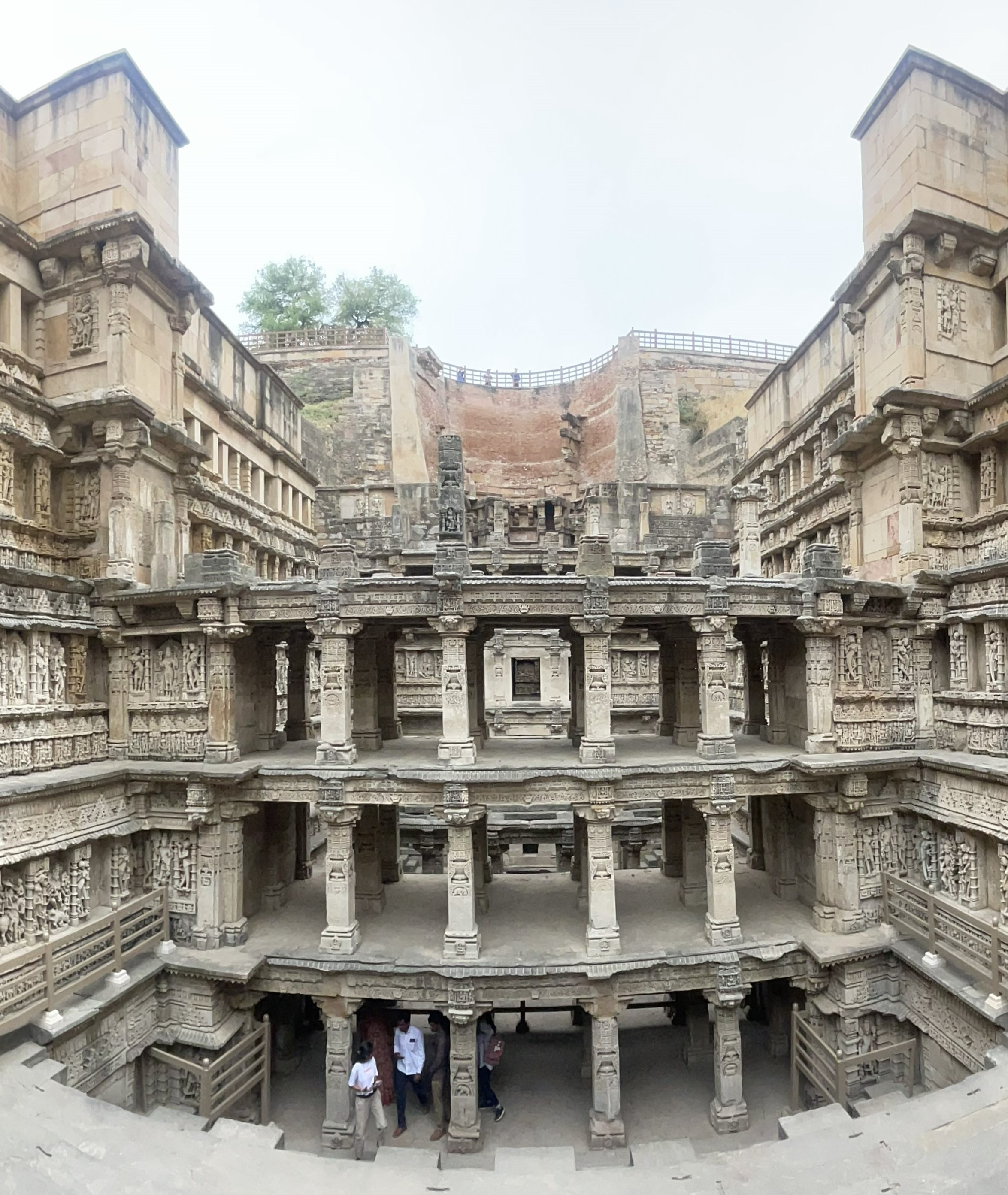
Gujarat
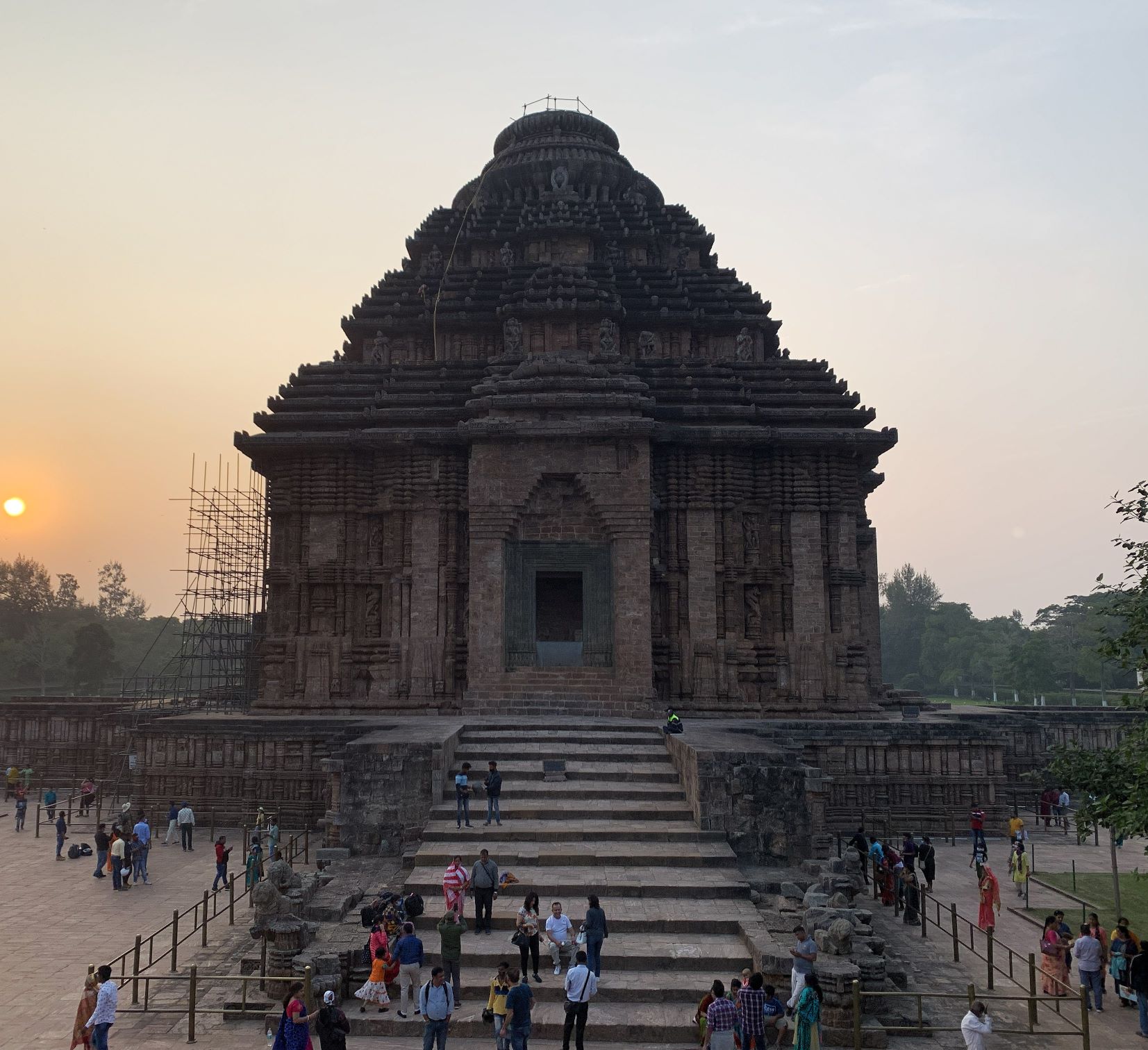
Odisha

Andhra Pradesh
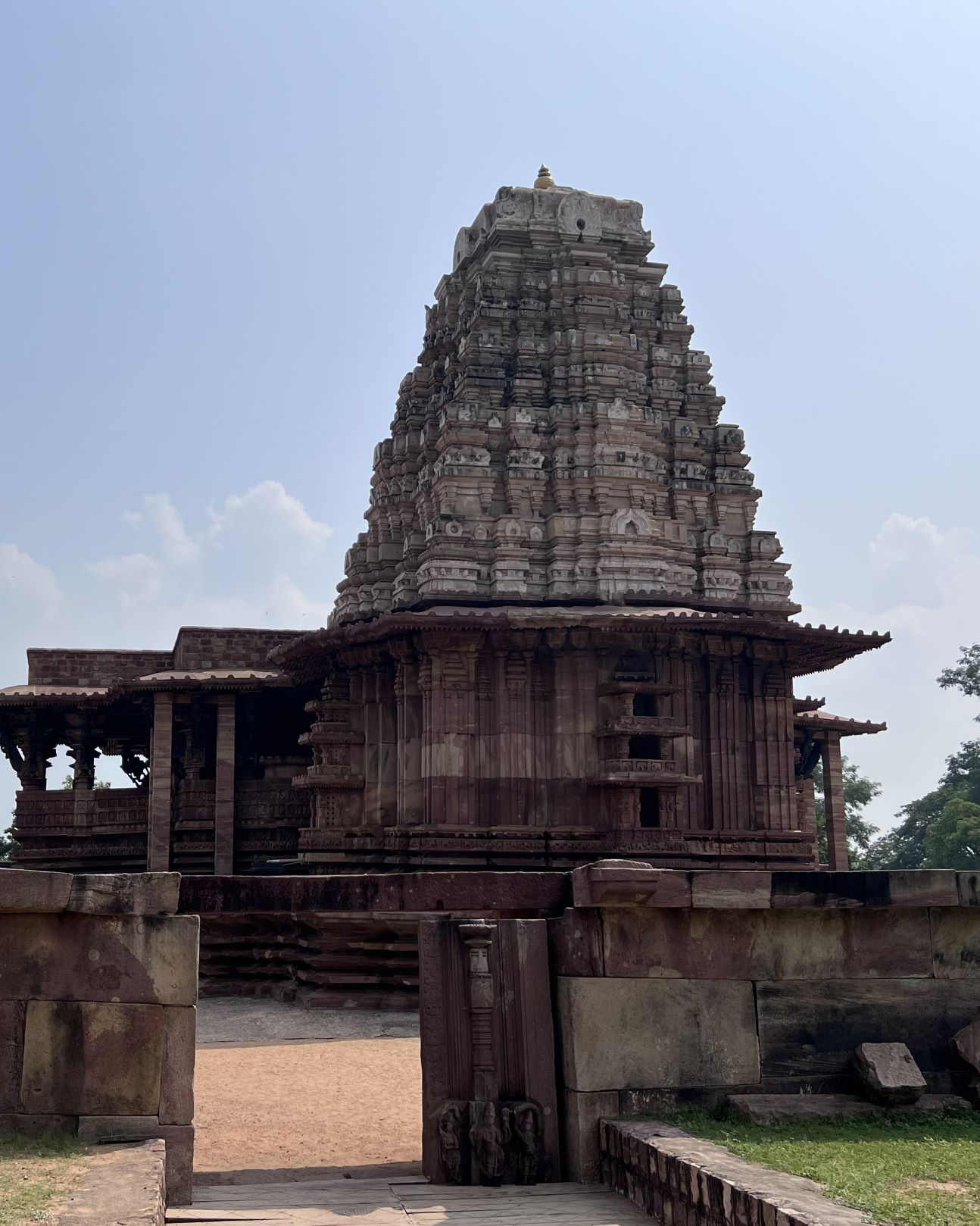
Telangana
Kashmir
Rajasthan
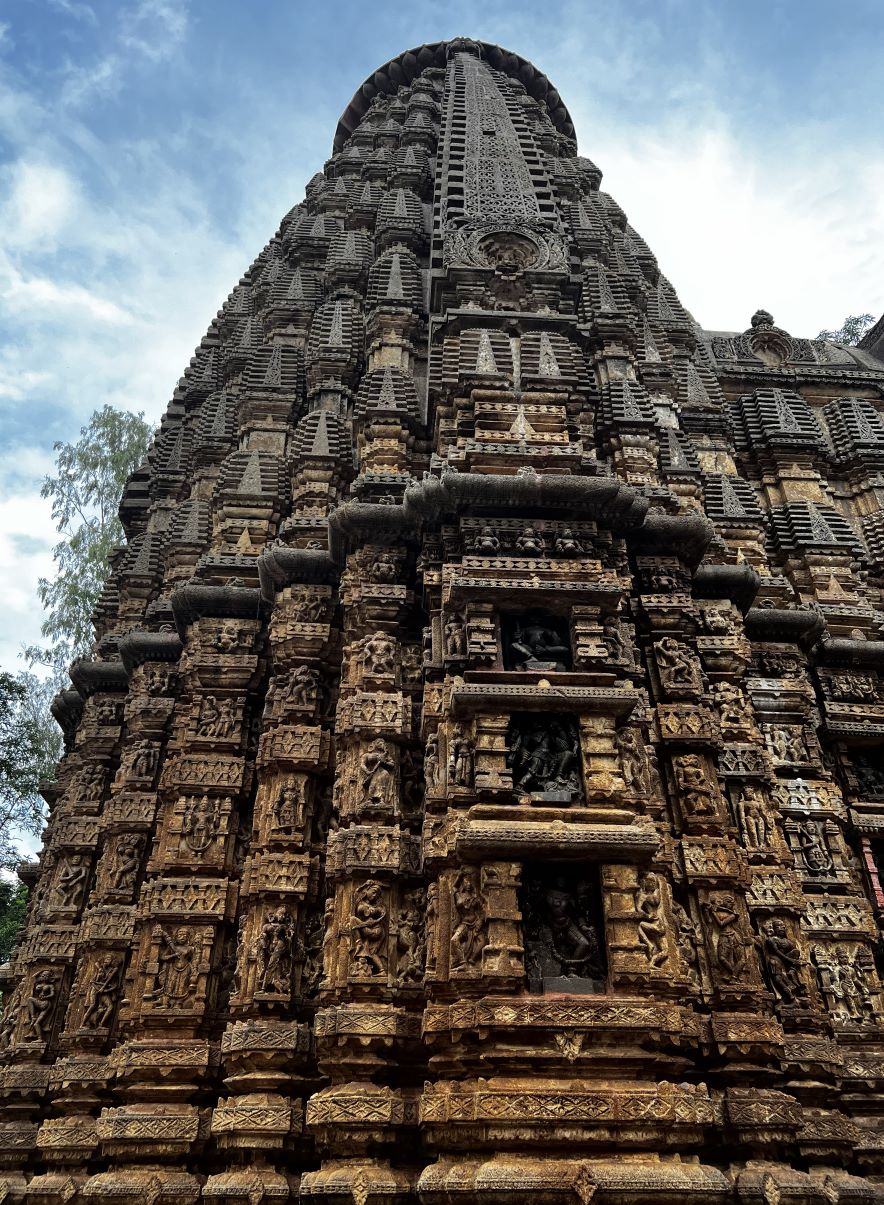
Chhattisgarh

Goa

Temples beyond India
Hindu Temples outside India, visited by us.
Discover the temples beyond INDIA!
The Hindu culture and temples are not limited to India. The influence of Indian temple architecture and Hindu-Buddhist traditions extended far beyond the Indian subcontinent, shaping the cultural landscape of Southeast Asia for over a millennium. From the magnificent temple complexes of Cambodia, Thailand, Indonesia, Vietnam, Laos, and Myanmar to the sacred monuments of Bali and Java, these structures stand as enduring testimony to the spread of Indian art, religion, mythology, and architectural principles through trade, diplomacy, and cultural exchange.
Cambodia
Cambodia preserves one of the most spectacular legacies of Hindu temple architecture outside India. Between the 6th and 13th centuries, the Khmer rulers built magnificent temples dedicated primarily to Shiva and Vishnu, blending Indian religious concepts with local artistic traditions. The temples are renowned for their grand scale, intricate carvings, and depictions of scenes from the Ramayana and Mahabharata. Angkor Wat, originally dedicated to Vishnu, remains the most celebrated example of this remarkable heritage.
Explore Temples of Cambodia Here
Vietnam
The Hindu temples of Vietnam are closely associated with the ancient Champa civilization, which flourished along the country's central coast. Influenced by Indian culture through maritime trade, the Cham kings patronized temples dedicated mainly to Shiva. These brick-built sanctuaries feature elegant towers, refined sculptures, and a unique architectural style. The Mỹ Sơn temple complex, a UNESCO World Heritage Site, stands as the finest surviving testimony to Vietnam's Hindu past.
Explore Temples of Vietnam Here
Indonesia
Indonesia, particularly the islands of Java and Bali, possesses a rich tradition of Hindu temple architecture. From the early mediaeval period, Hindu kingdoms constructed temples that combined Indian religious ideas with indigenous artistic expressions. These monuments feature beautifully carved reliefs depicting episodes from Hindu epics and local legends. Temples such as Prambanan in Java and the living temple traditions of Bali illustrate the enduring influence of Hindu culture in Indonesia.
Explore Temples of Indonesia Here
What is Shilpa Vigrah?
Shilpa Vigrah is a platform dedicated to understanding Indian temple architecture, sculpture, iconography, and cultural heritage. Through photographs, field explorations, and educational content, it helps visitors decode the stories hidden in temple art.
What does "Temple Decoder" mean?
Temple sculptures, carvings, and icons often contain layers of symbolism, mythology, and philosophy. Shilpa Vigrah helps visitors identify and interpret these elements, making temple visits more meaningful and enriching.
How can I identify a deity in a temple sculpture?
A deity can often be identified through specific attributes such as weapons, mudras (hand gestures), vahanas (vehicles), crowns, number of arms, and accompanying figures. Shilpa Vigrah provides guides and examples to help visitors learn these identifying features.
Why are there so many sculptures on temple walls?
Temple sculptures serve educational, spiritual, and decorative purposes. They depict gods, goddesses, purana stories, celestial beings, dancers, musicians, and aspects of daily life.
Can beginners learn temple iconography?
Absolutely. Shilpa Vigrah is designed for both beginners and advanced learners. The content explains complex concepts in a simple and accessible manner.